Bachelor Project: Designing a Bicycle Seat for Stroke Survivors with Limited Physical and Cognitive Abilities, Enabling Extended Cycling Activities
The problem:
How might we create a cycling experience that supports stroke survivors’ diverse physical and cognitive needs, so they can enjoy extended rides with comfort and dignity?
Biking should be for everyone. Cycling offers freedom, independence, and dignity. Dealing with the effects of stroke shouldn’t change that.
About
This bachelor’s project follows a design-thinking, user-centered concept development approach, guided by the double diamond framework. We began by identifying real needs among stroke survivors with diverse challenges, listening closely to their day-to-day struggles. Using rapid prototyping and bodystorming, we explored and tested ideas quickly, learning from failures and refining concepts. Whenever possible, we validated these iterations with users to ensure the design stayed grounded in their reality. The result is a custom seat that directly reflects users’ needs, with every design decision shaped by their input and lived experiences.
My role
Mapped logistics and stakeholders through field studies at Rigshospitalet
Co-developed a gamified Toolkit to guide and facilitate implementation
Translated complex hospital workflows into actionable steps
Result
Toolkit helps stakeholders quickly identify barriers and plan feasible and viable implementation steps within 1–2 hours.
From complex and siloed information to simple shared understanding across staff and management
In validation of the concept, created detailed implementation plan for an innovation currently being developed called PlanTavlen
Learnings
Case work grounds complexity and builds alignment
Simplifying complexity requires a deep and context-aware understanding of the user
Healthcare UX must address both workflows and culture

First things first, it is essential to talk to experts, users, relatives of stroke survivors, and other stakeholders to gain a holistic understanding of the problem space. Clustering these insights, identifying patterns, conflicts, and barriers is then central to framing the problem.
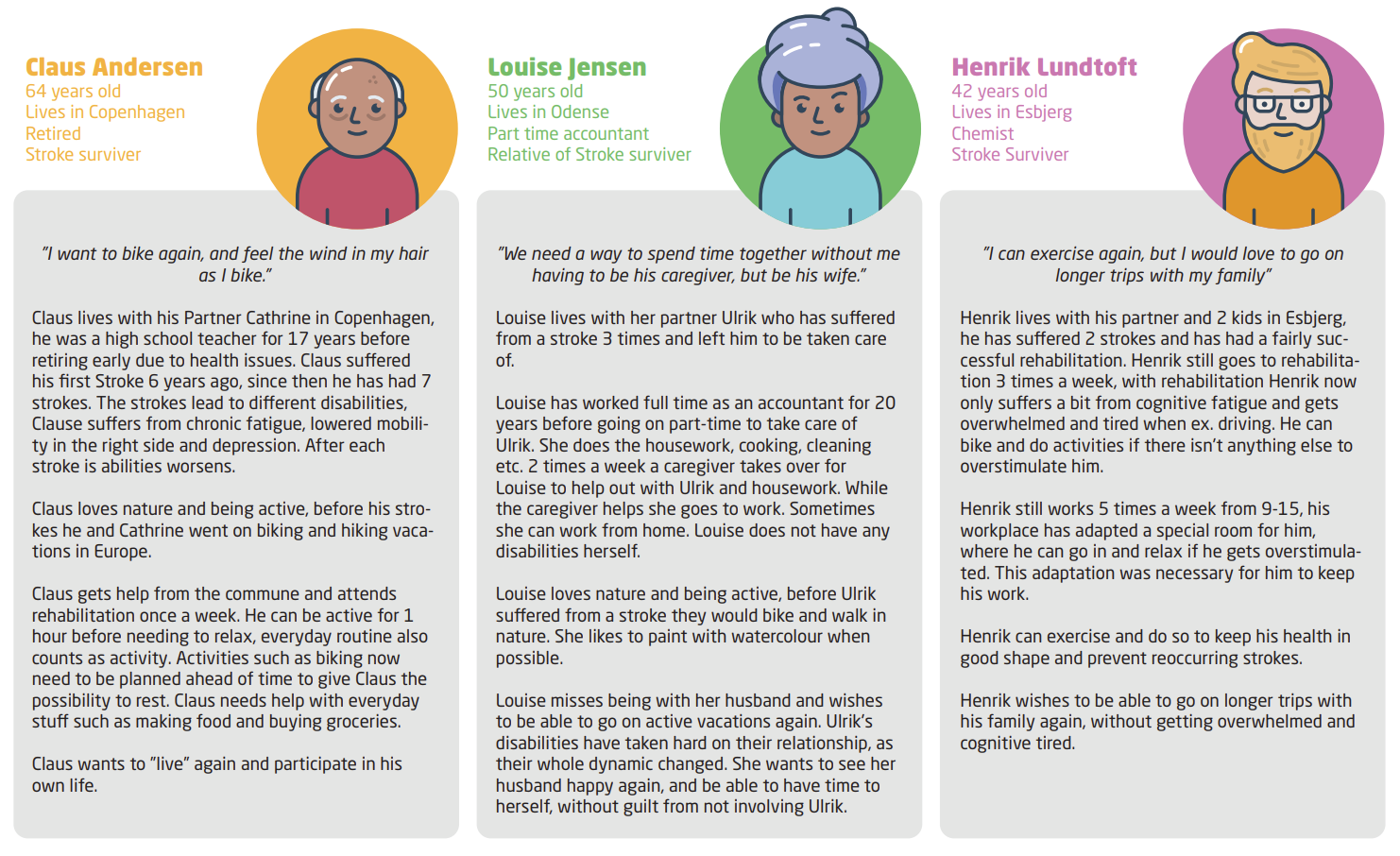
Creating personas ensured empathy and documented user attitudes and sentiments. They were important when considering design directions in the project as well as reflecting the diverse circumstances of stroke survivors
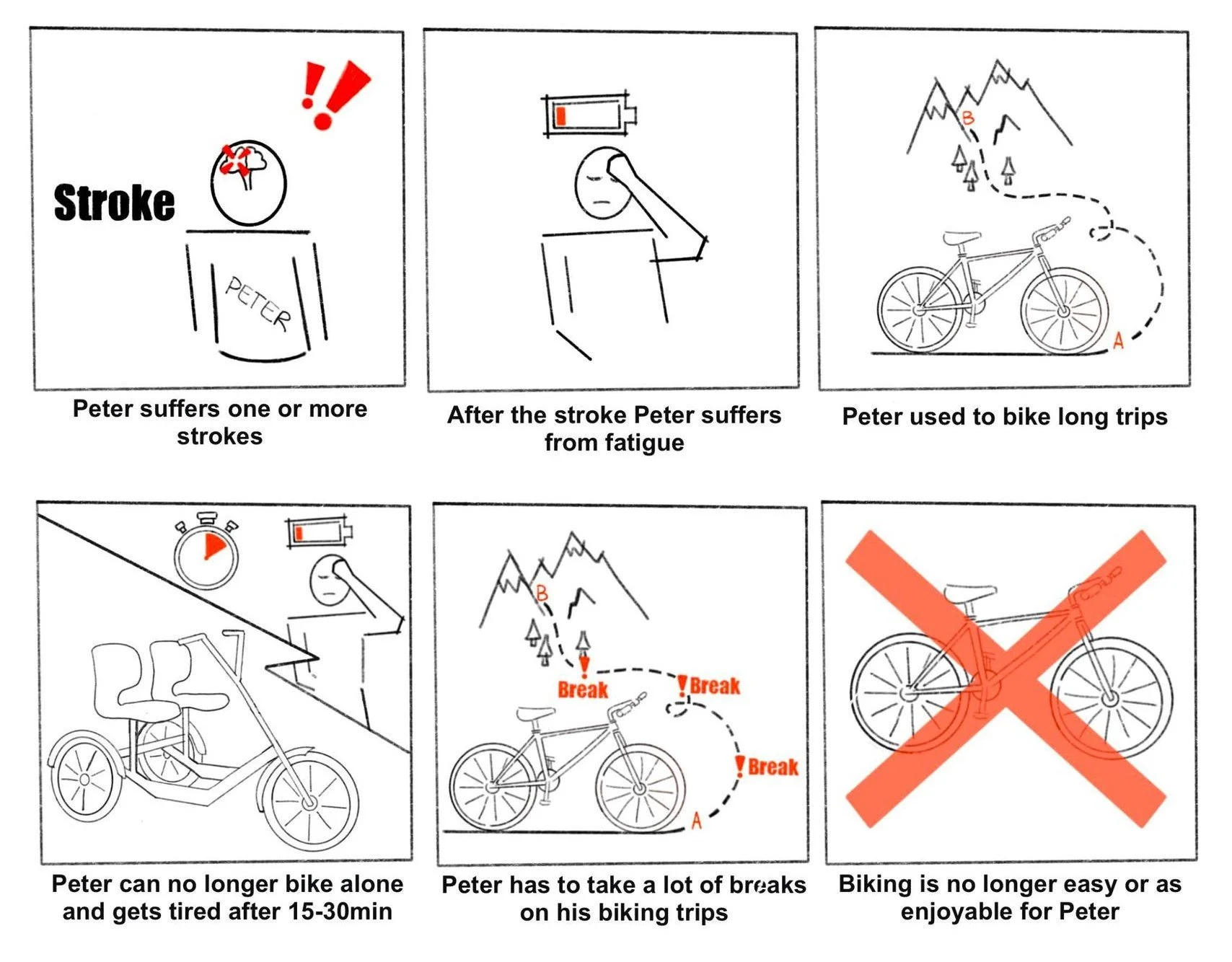
Understanding and alligning on the key issue through in depth stakeholder engagement was essential to make sure our eventual solution would adress the right problem

Failing fast was the name of the game. Quick and dirty prototypes allowed us to accept or reject ideas early, helping us form a well-reasoned and documented design direction. Here, we are testing whether being reclined on a bike is even feasible.
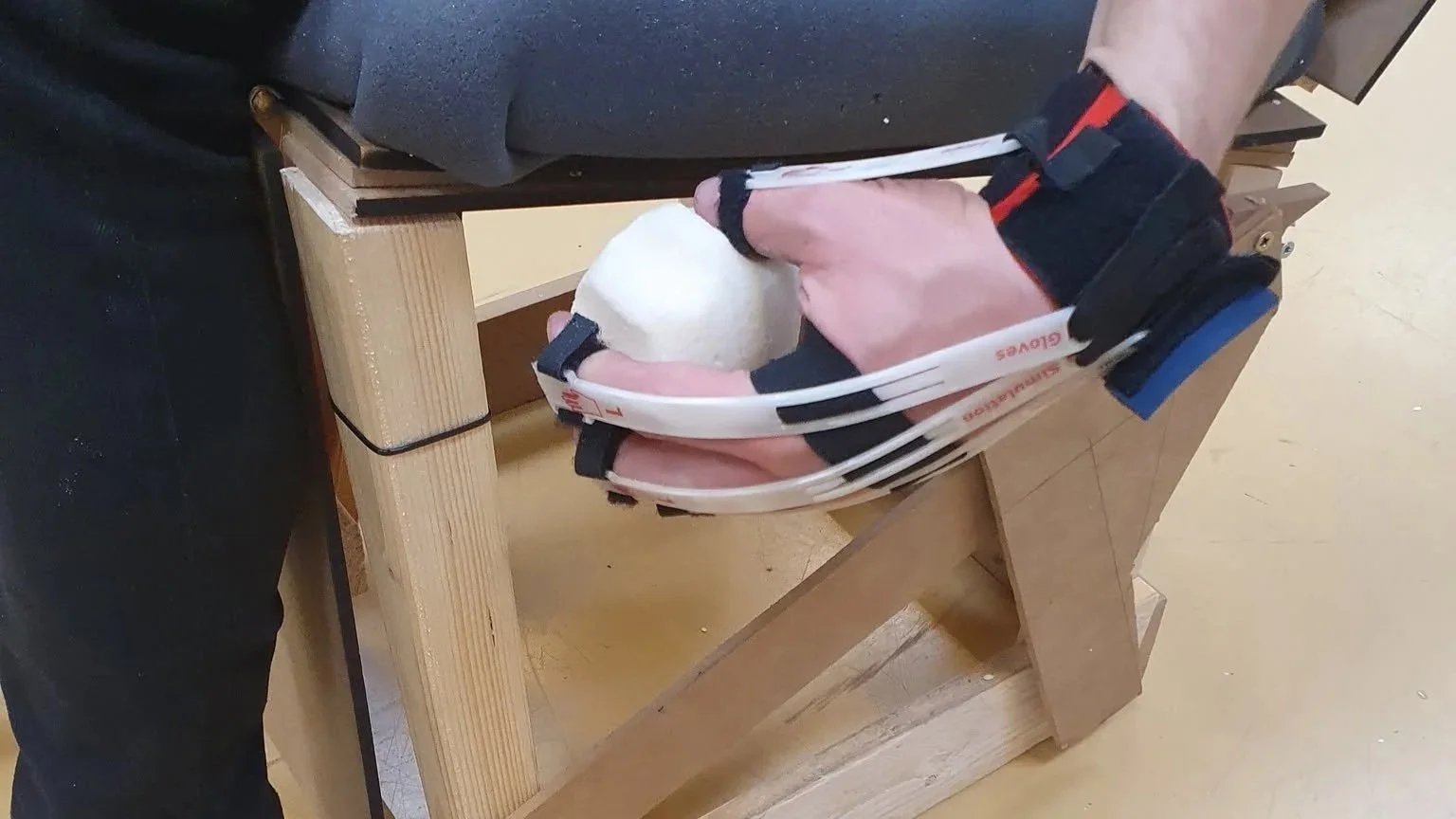
Bodystorming was an essential method in our rapid prototyping. By using ability-limiting equipment, we could simulate and test near-user conditions, which helped us maintain development momentum and make well-founded decisions.
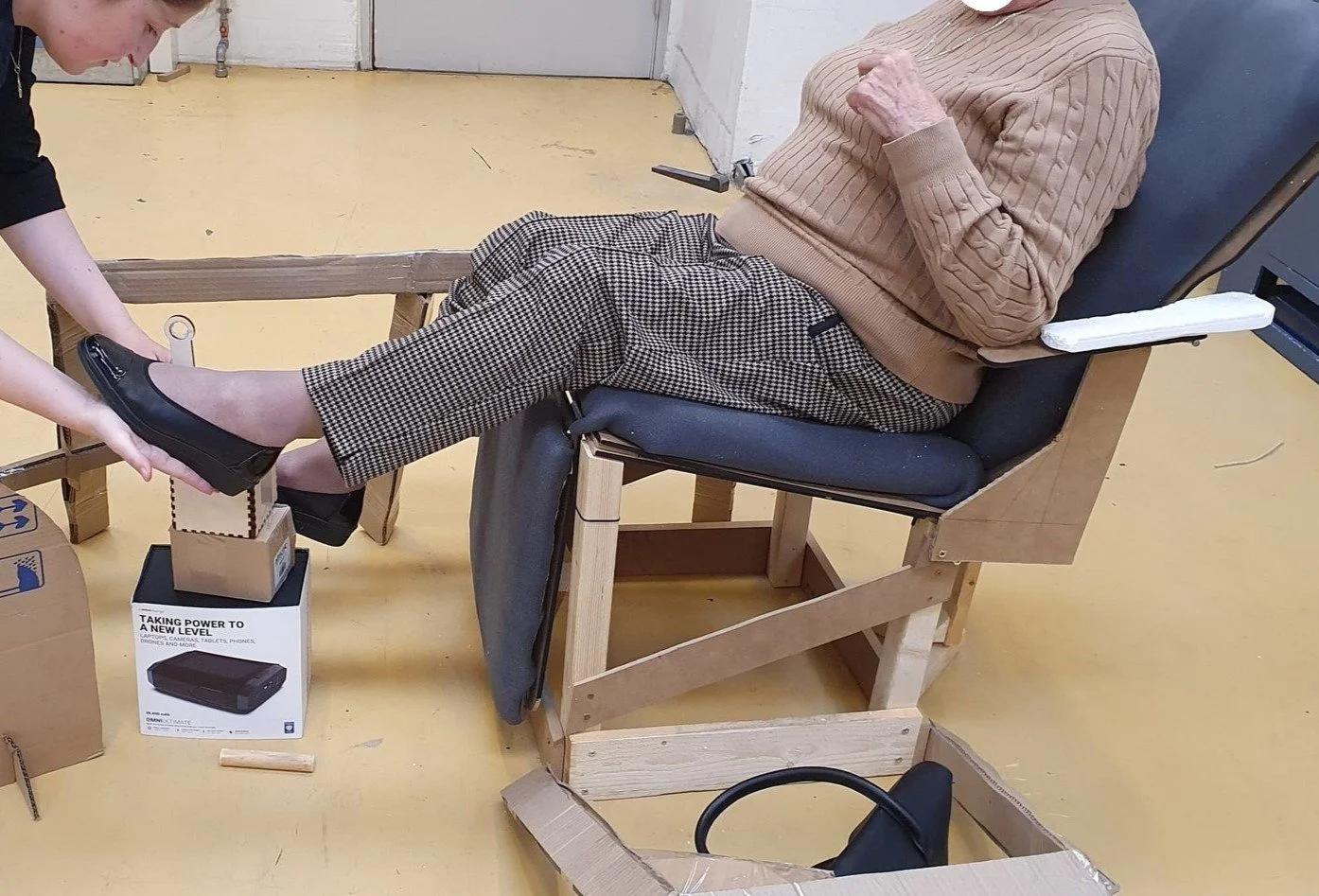
Whenever possible, testing with our target users was always the preferred approach. However, since it was impractical to bring the user group to the prototype, and equally impractical to bring the prototype to the users, direct testing was limited. When we were able to test, it served primarily as validation for higher-fidelity prototypes.
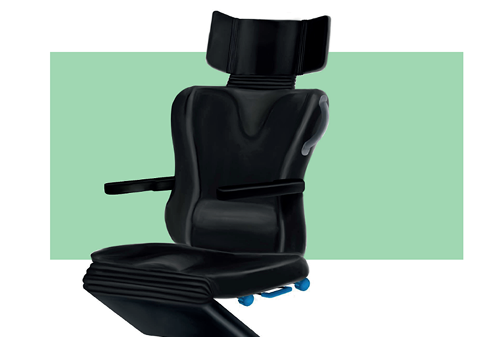
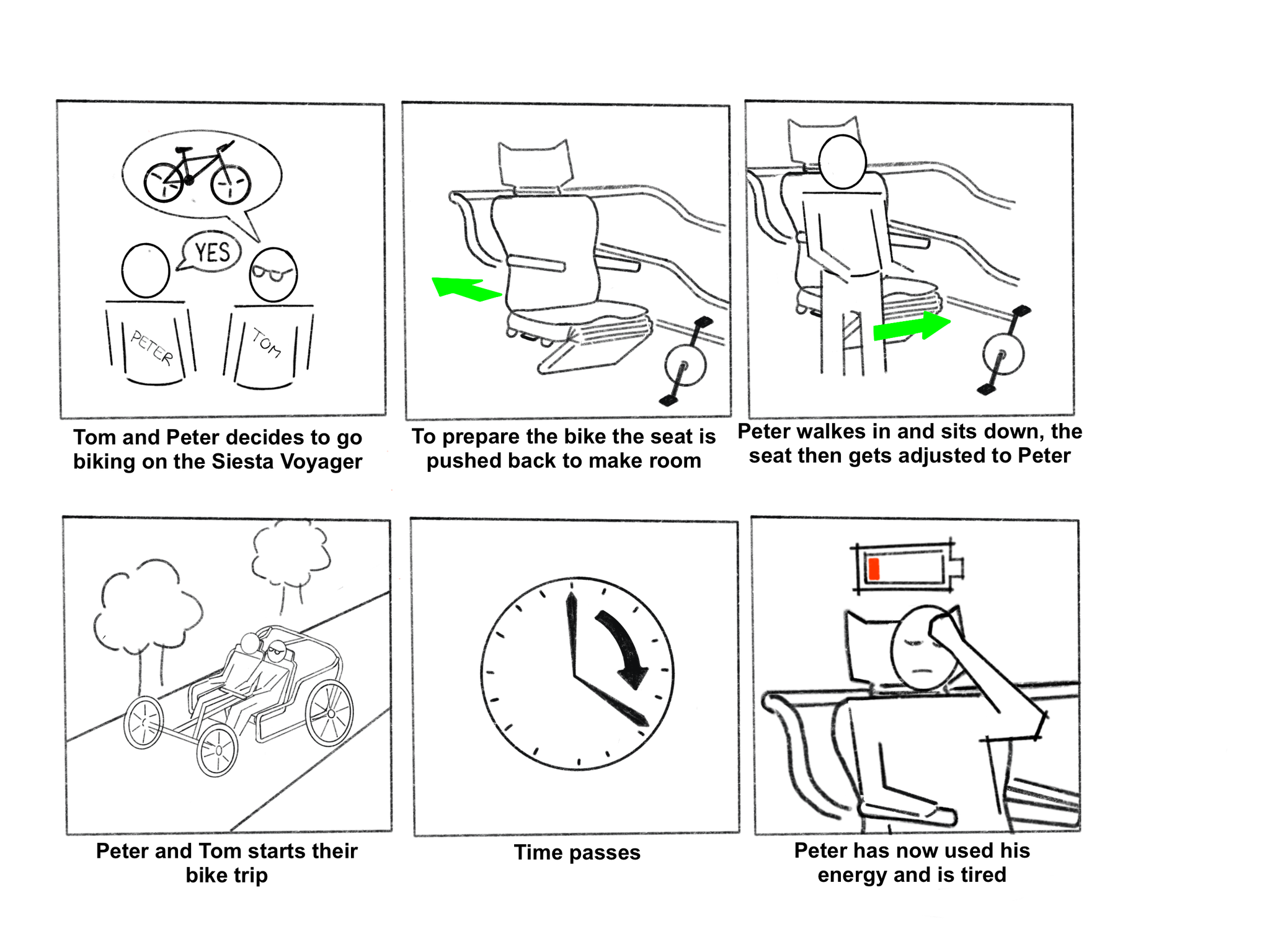
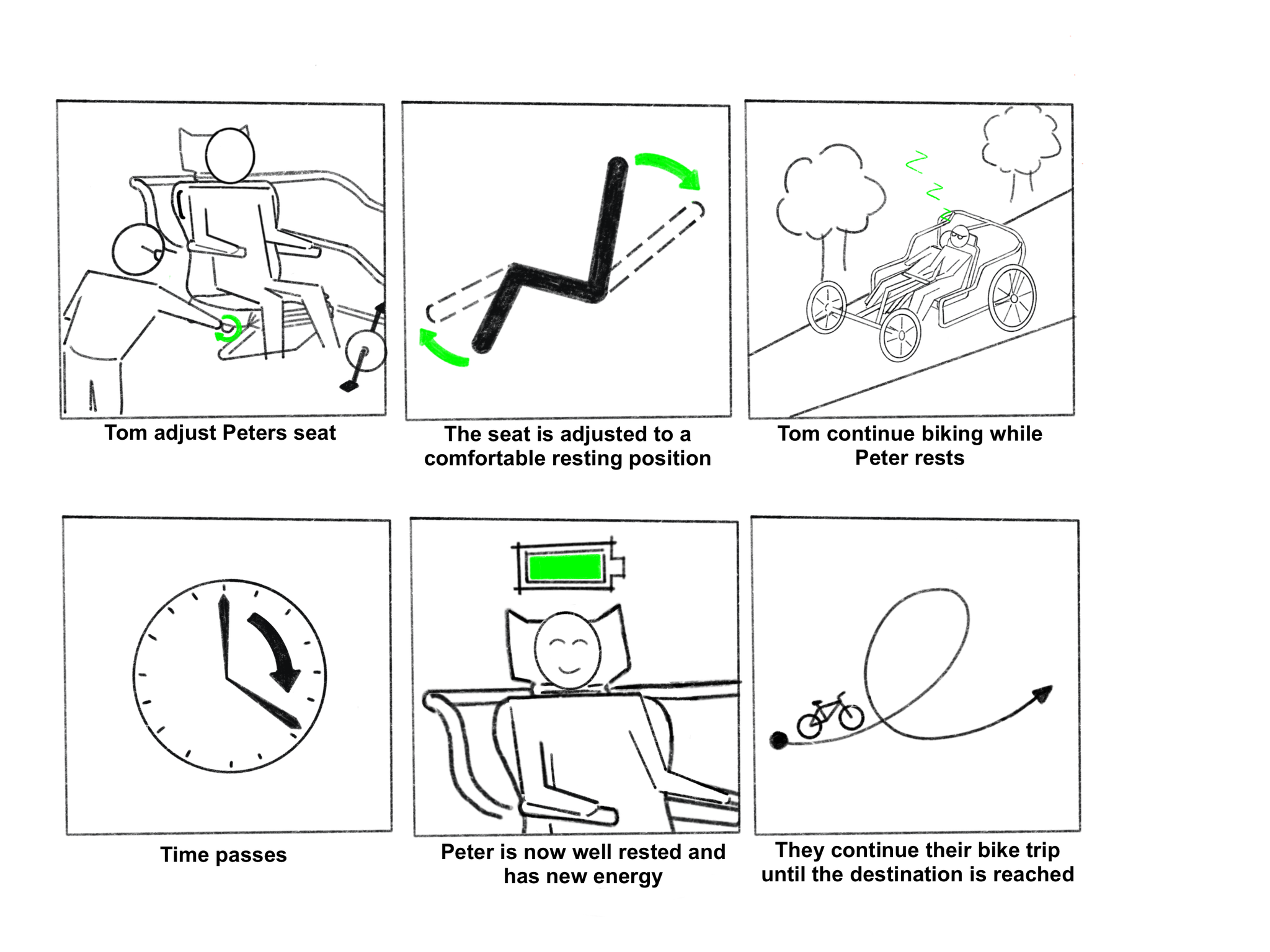
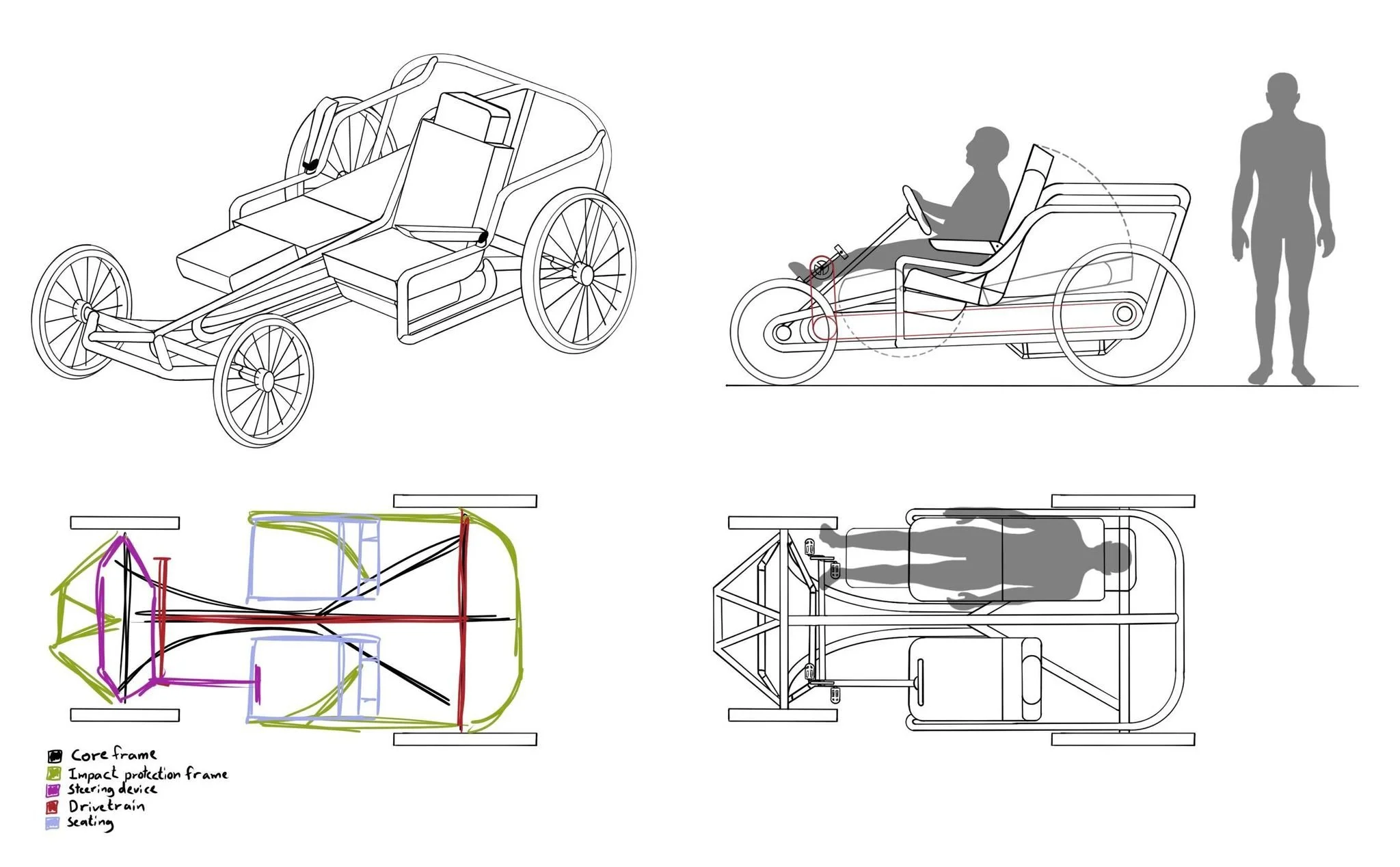
After many cycles of building, testing, learning, and adjusting, we finally arrived at our final concept: the Siesta Voyager Seat.