JUVO: a student startup - The first AI for workers’ compensation
The problem:
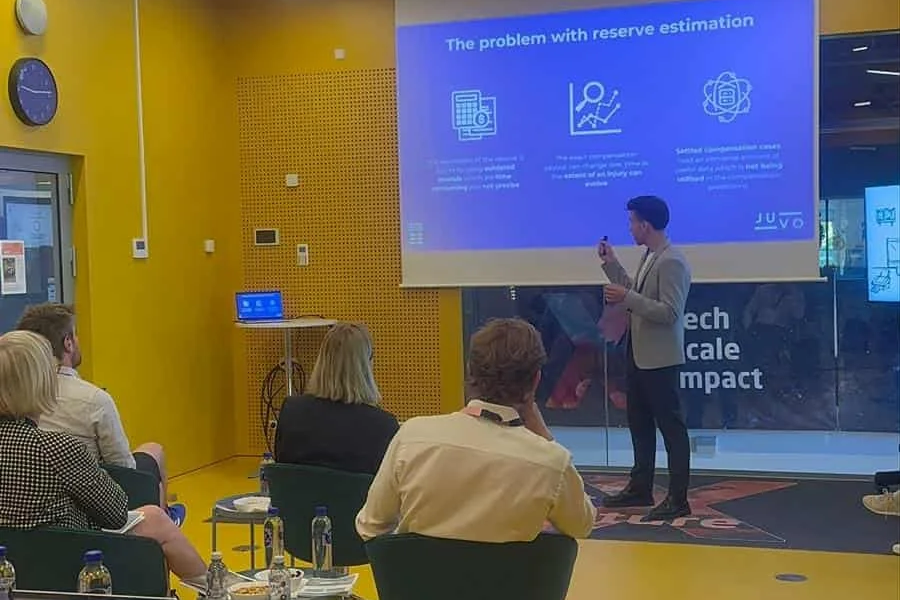
The challenge with reserve estimation is that evolving injuries, lack of extensive data, and limited understanding of links between factors make it difficult to predict accurate compensation payouts.
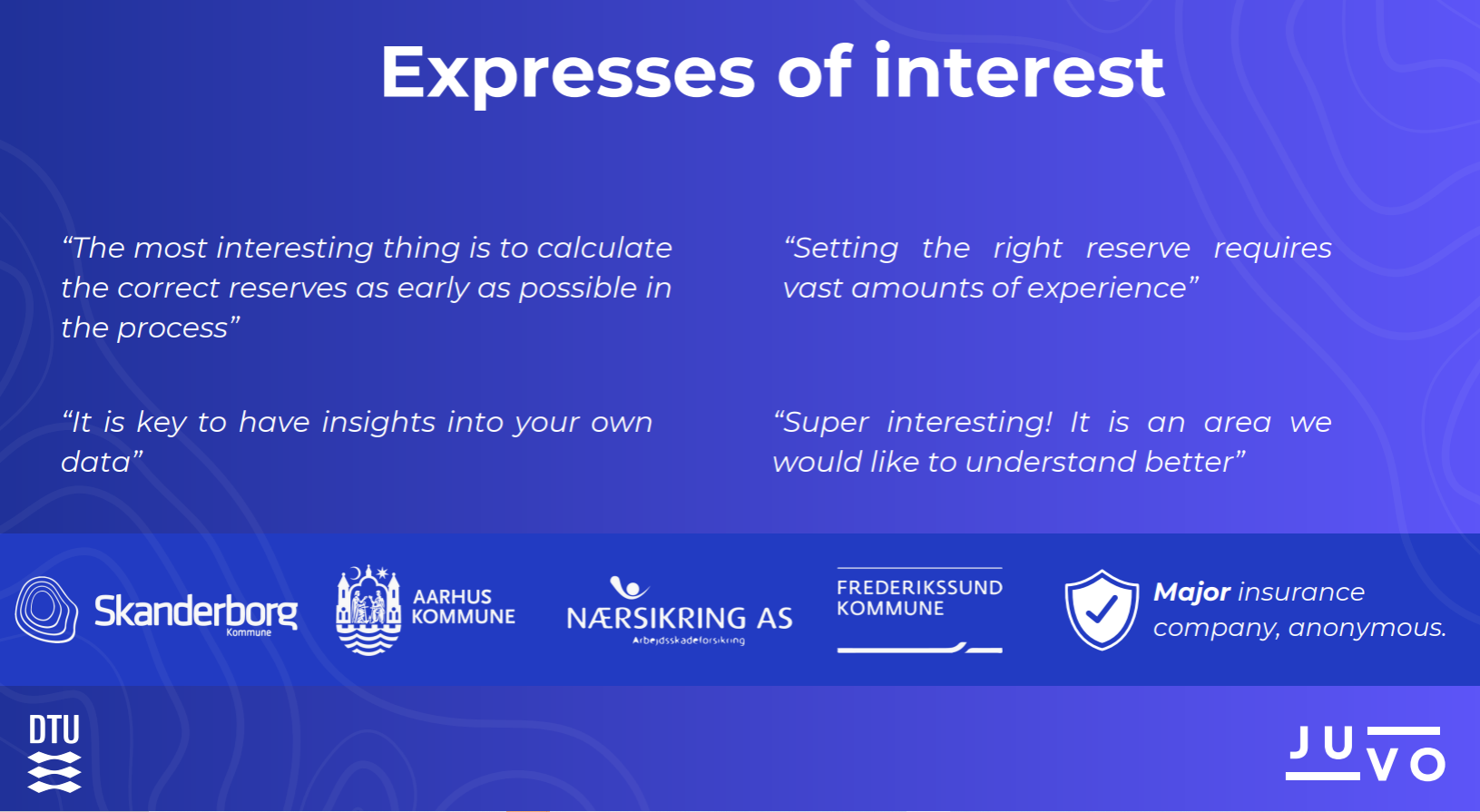
Setting the right reserve requires vast amounts of experience
About
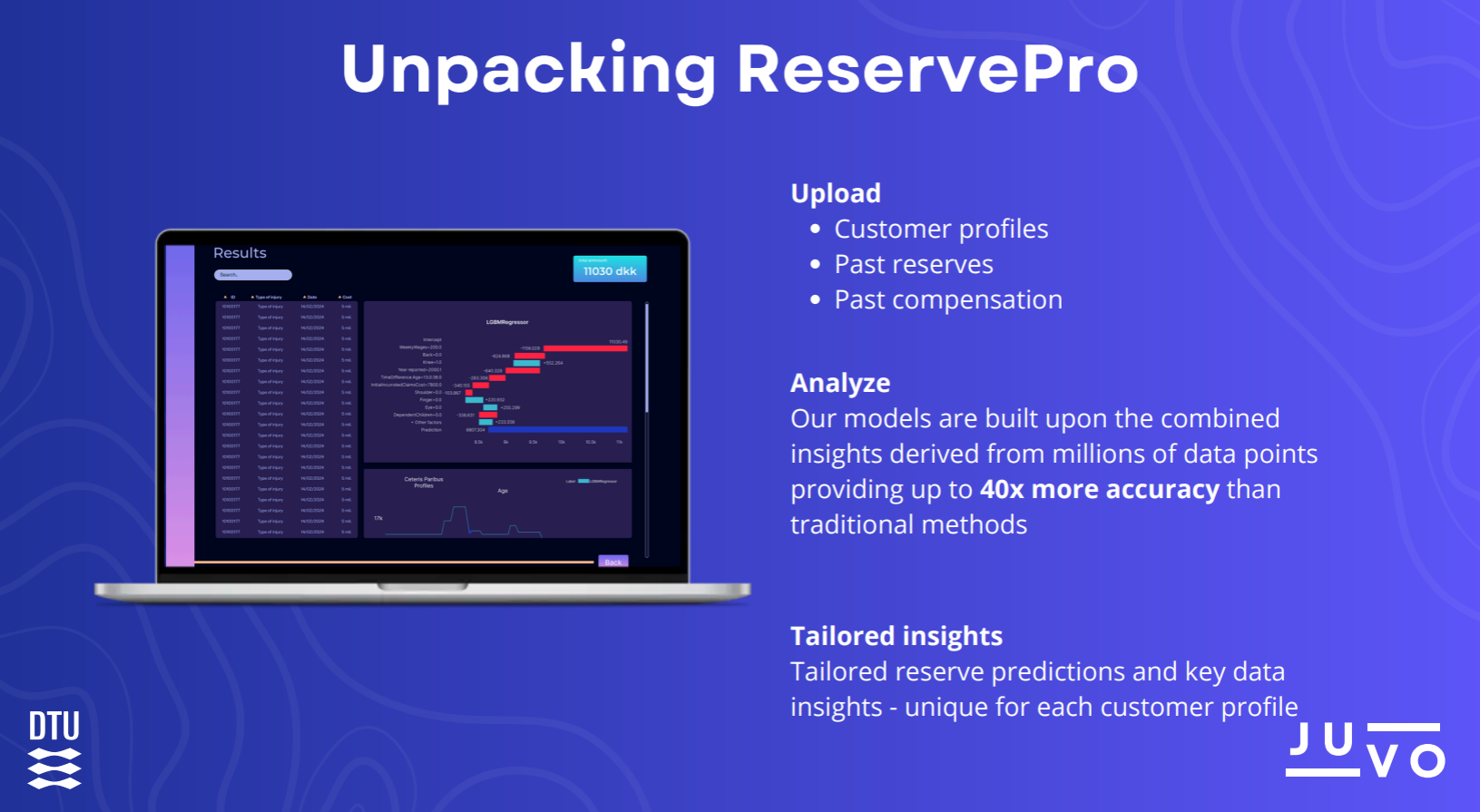
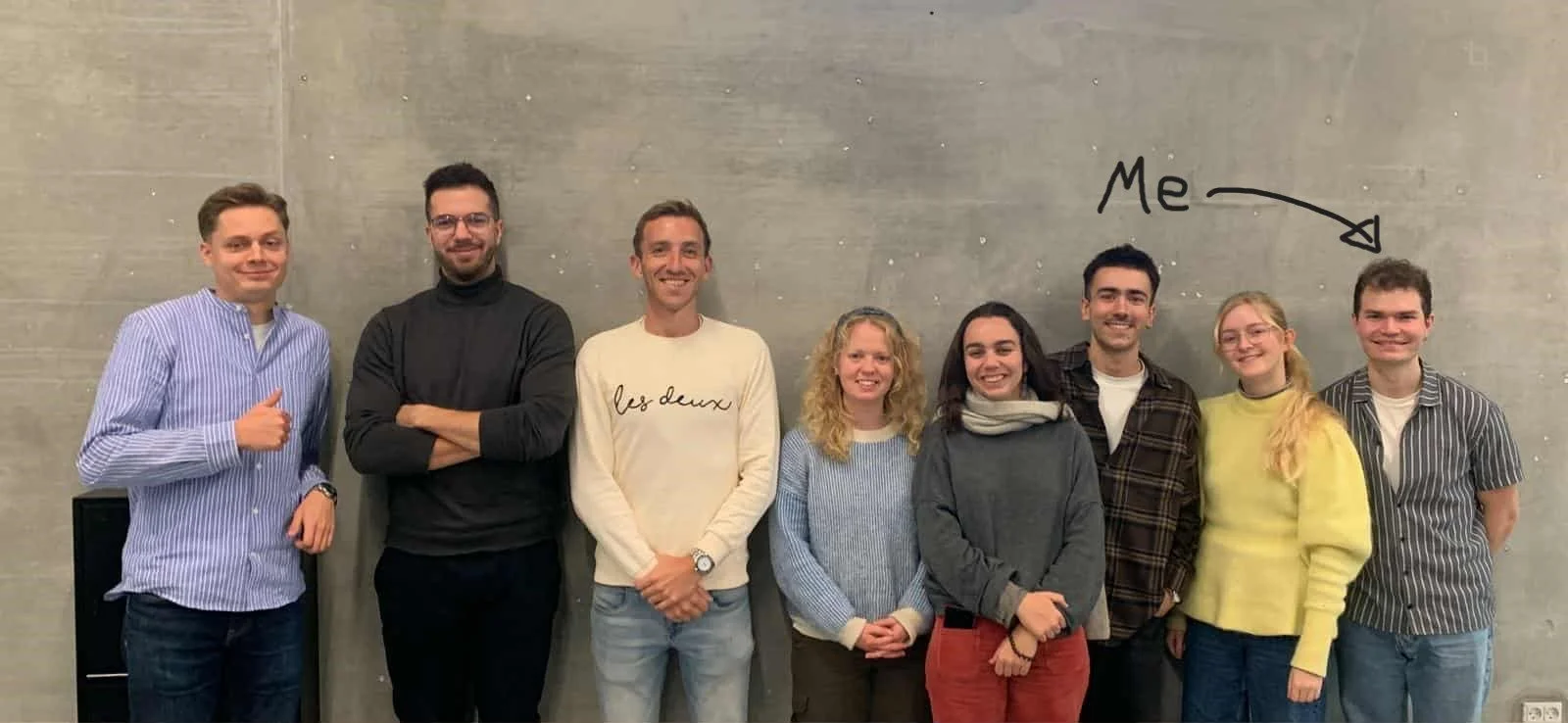
JUVO was our student startup from DTU’s X-Tech program, where we explored how AI could transform workers’ compensation insurance. Together in a multidisciplinary team, we built ReservePro, an AI-driven tool designed to predict injury-related reserves far more accurately than traditional methods. While we didn’t pursue funding, the project gave us invaluable experience, from understanding a whole new domain like insurance to applying machine learning in practice and collaborating across engineering, design, and business.
My role
Co-led efforts to build traction by communicating business value to private and public stakeholders
Co-led data sourcing for training and validating the AI model
Facilitated cross-team knowledge sharing to ensure alignment and shared understanding
Result
Reached out to ~40 industry actors and secured 5 expressions of interest
Achieved up to 40x more accurate payout estimations with our model
Delivered actionable insights to the partner-client, including barriers and drivers for implementing AI in reserve estimation
Learnings
Effective facilitation and frameworks for knoweledge sharing are essential to prevent siloed information and misunderstandings in cross-functional teams
A viable business plan is not just about a strong idea but about creating the right value for the right people